The Short Version
I pay for a pre-home inspection before your house goes on the market. Here is why.
- We find the major items that could cause a buyer to walk away, especially health and safety issues, while we still have time to decide what to do about them.
- You do not have to fix everything in the report. We go through it together and decide which repairs make sense and which ones should be left alone.
- You can get the work done on your time with contractors you trust. I have contractors who will do some of this work for a small fraction of what most homeowners pay.
- We can show buyers the report and the work already done before they make an offer. That helps answer their fear that they are buying a house full of problems.
- During the first contract negotiation, I want the buyer to tell us what they want repaired from the items we have not already fixed. We can negotiate those terms before we agree to the offer and put any agreement about known items in writing.
- Knowing the likely repair costs ahead of time helps us estimate how much you will leave settlement with, rather than discovering a large expense after you are under contract.
The Long Version
Buyers perceive pre-inspected homes as worth more money. I have watched buyers hesitate over houses they liked because they were afraid of what they might find after making an offer. A house can look beautiful in the photos, and they can still worry that they are buying a lemon.
I always compare it to buying a certified Toyota. A buyer may pay more for the certified car than an otherwise similar used car because someone has checked it and the buyer has more confidence in what they are buying. I see the same thing with a house. When buyers can read the inspection, see what was repaired, and understand the condition of the big-ticket items, they have less reason to hold money back for problems they are only imagining.
That is especially important with an older home. Buyers want to know about the roof, heating and cooling, electrical systems, moisture, the crawlspace, and the things they cannot judge from a showing. If we have already looked into those issues, we can give them answers while they are deciding what to offer. Their agent can also explain why our house deserves a stronger offer than one where nobody knows what may be hiding behind the walls.
I cannot promise every buyer will pay more. But I can take away some of the uncertainty that causes buyers to protect themselves with a lower offer. That is one reason I pay for the inspection before your home goes on the market.
“Being able to fix them your own way with your own contractors saves thousands and thousands of dollars in many cases.”
~Brian
Get the work done on your timeline
We want to know what needs attention while we still have time to decide what we want to do about it. I pay for a pre-home inspection before your house goes on the market. Then we go through the report together. You do not have to fix everything in it. We look for the major items that might cause a buyer to walk away, primarily health and safety issues, and decide which other repairs are worth doing.
If you choose to have work done, you can use contractors you trust and have the job done the way you want it done. I have a list of trusted contractors who will do some of this work for a small fraction of what most homeowners pay. That difference can become very expensive once a buyer is under contract and wants a particular repair handled by a company of their choosing.
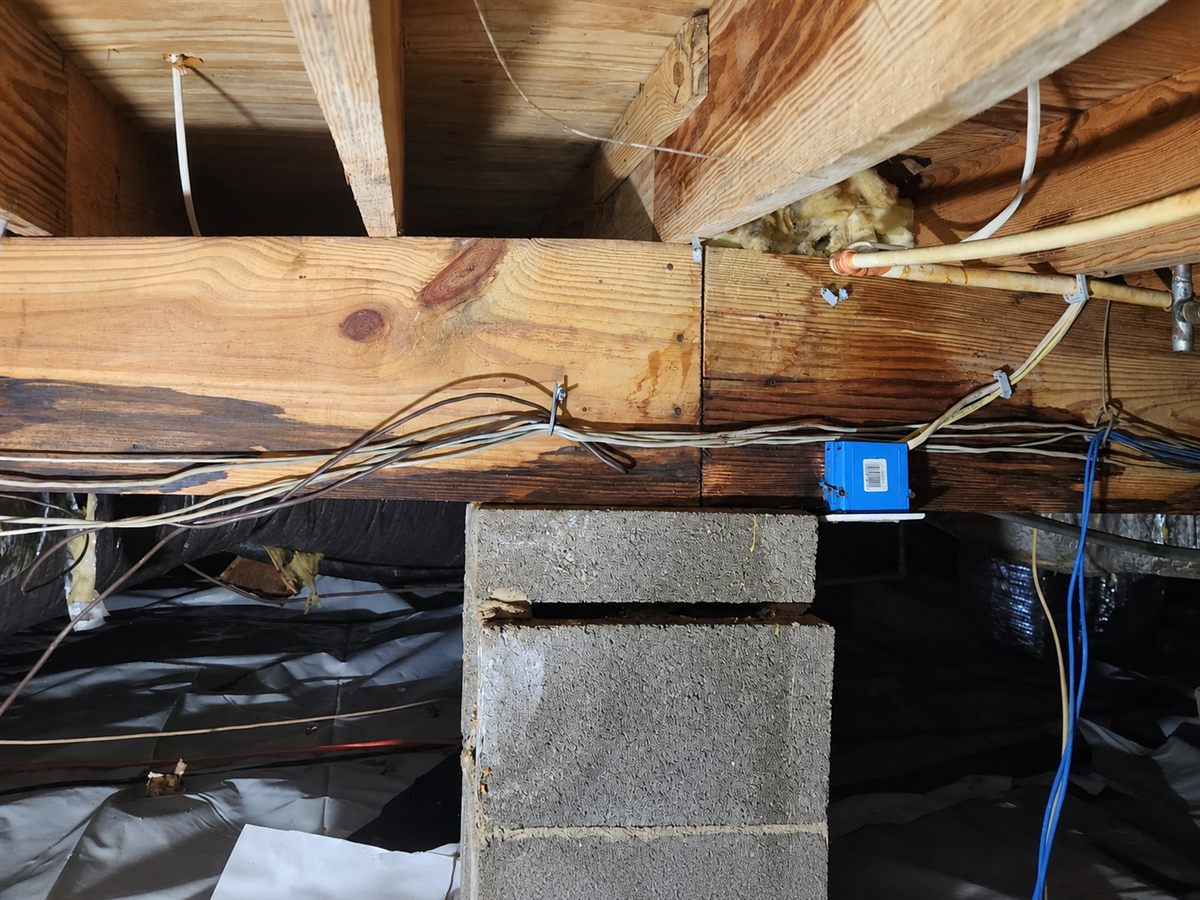
I have seen this with moisture and mold problems in crawlspaces and attics. In one of my older examples, a contractor I trusted handled the work for several thousand dollars. A buyer who discovers the same problem later may insist on a much more expensive remediation company. Doing the inspection early gave my seller time to choose the contractor, get the work finished, and show the buyer what had been done. The buyer did not have to wonder whether we were hiding the problem.
A pre-inspection gives you peace of mind, but it also gives us information we can use. We can estimate likely repair costs before we choose a price or evaluate an offer. What matters to me is the money you leave settlement with, not merely the number at the top of the contract.
Use the inspection from a position of strength
The pre-home inspection allows my home sellers to operate from a position of strength. The buyer is going to want an inspection. I would rather know what it is likely to show before the house goes on the market than let the buyer be the first person to bring those problems to the table.
When an offer comes in, we can give the buyer our report and explain the work that has already been done. If there are items in the report that you do not intend to repair, I want the buyer to tell us what they want done about those items while we are negotiating the offer. We can talk about the price, repairs, and any credit as one agreement instead of agreeing to a price and leaving every known issue for another negotiation after we go under contract.
When we agree that a particular item will not be repaired later, I want that agreement in writing, tied to the items identified in the report. It does not mean a buyer cannot inspect the house or that every possible new problem has been waived. It means we have discussed the known repairs before accepting the offer and made the terms clear to both sides.
I once worked with a buyer who had walked away from another house over a long repair list. Our pre-inspection gave us about five pages of known items to discuss. The seller had already handled several larger repairs. We gave the buyer the report, negotiated the remaining items as part of the offer, and attached an addendum saying the buyer would not request those listed repairs again after going under contract. The buyer reserved a separate concern about possible moisture or mold. We did not pretend the report settled an issue we had not settled.
That is what I mean by leverage. We knew what we were dealing with, the buyer knew what they were buying, and my seller was not surprised by a second demand for the same list of repairs weeks later.
The offer that left more money at settlement
In one sale, our pre-inspection showed that the roof needed to be replaced. We had an estimate of about $10,500. The seller had already spent a great deal getting the house ready, so a roof replacement would have made a substantial difference to what they took home.
We had more than one offer. One buyer was willing to buy the house with the roof as it was. We discussed it before accepting the offer and wrote into an addendum that the buyer would not come back with a roof-repair request during the inspection period. Because we found the problem early, we could evaluate the offer with that expense in mind instead of learning about it after we had agreed on a price.
That is why I do not evaluate an offer by price alone. A higher price can be worth less if the seller later has to pay for major repairs or give up a large credit. I want us to understand the likely costs, use the inspection to negotiate known problems up front, and choose the offer that puts the most money in your hands at settlement.
I am proud that I pay for pre-home inspections for my home sellers. I have seen them help buyers make stronger offers, give sellers time to handle repairs on their own terms, and prevent known problems from turning into another negotiation after the contract is signed. I would not want to sell a house without one.