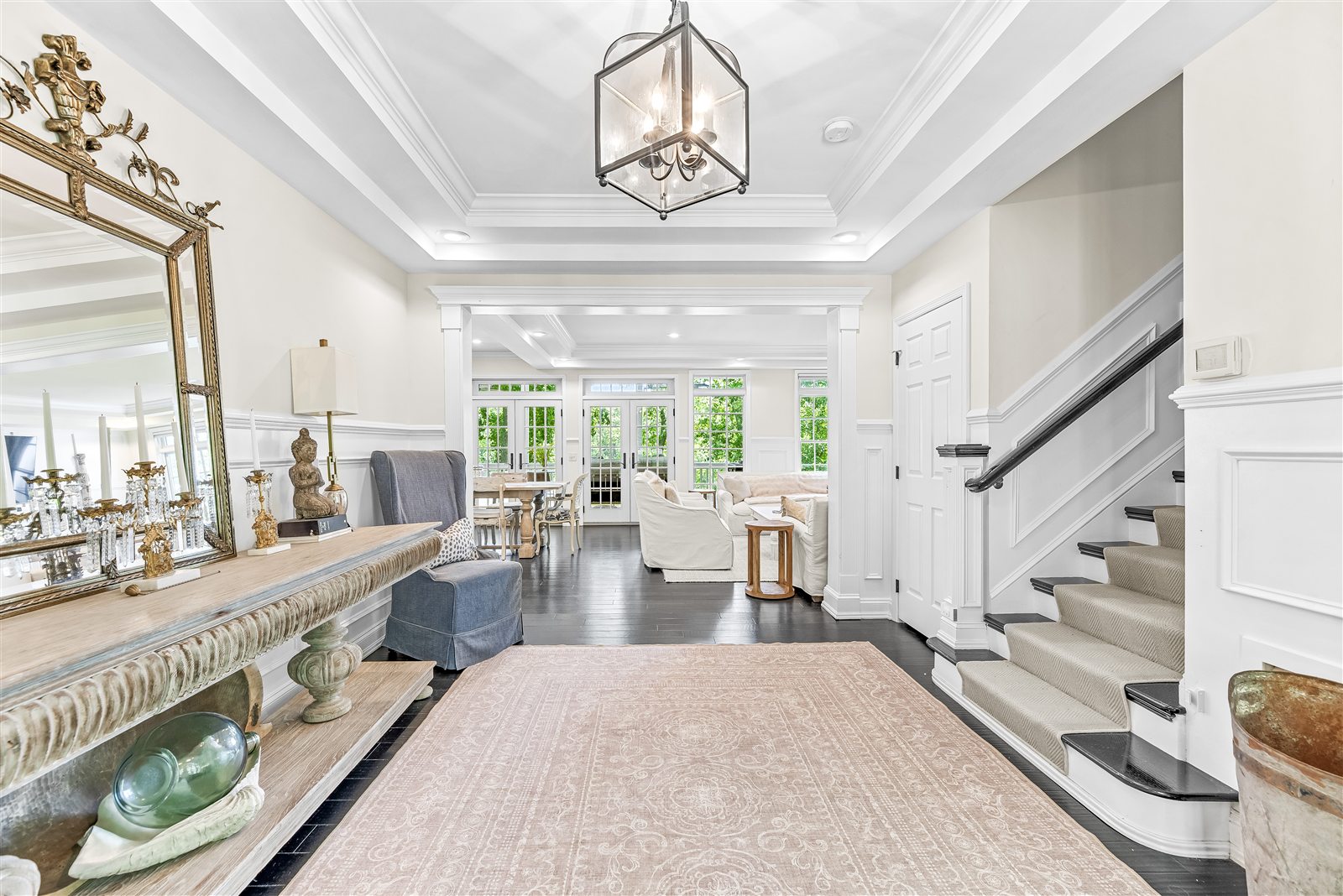
1. A Room-by-Room Consultation
I’m not a decorator, and I’m not going to pretend I know which curtains are fashionable this year. That is why I bring in a professional interior designer to walk through the house with us.
We look at every room and identify what needs to change before the house goes on the market. That could mean moving furniture, taking pictures off the wall, changing the lighting, clearing a counter, putting belongings away, or rearranging the room so it feels larger and more useful. Whenever possible, we use what you already own.
You have arranged the house for the way you live in it. That makes perfect sense. But a buyer is walking through it for the first time. They need to see the rooms clearly, understand how they could use the space, and picture themselves living there.
If the room feels crowded, confusing, dark, dated, or neglected, the buyer notices immediately.
2. We Match the Plan to Your Budget
You might have a $500 budget, a $50,000 budget, or no improvement budget at all. We take the recommendations and prioritize them based on your timeline, your comfort level, and the return you are likely to get from the work.
A lot of the most effective improvements are free or inexpensive. Moving a couch, clearing a countertop, removing magnets from the refrigerator, improving the lighting, organizing a room, and removing excess furniture can change the way a buyer experiences the entire house.
I’m not coming in with an automatic recommendation to build a garage, add a deck, or replace your kitchen. I look at your house and tell you where your money will do the most good.
“You don’t have to do anything I tell you to do, but it’s my job to tell you all the things you could and should do to get your house sold for the most money.”
~Brian
3. Give Buyers Something to Be Excited About
People buy with emotion and justify the decision with logic. When buyers walk through your house, they are comparing it with every other property they have seen. On paper, several houses may have the same number of bedrooms, bathrooms, and square footage. The difference is how the house makes them feel.
Buyers want to imagine their life in the property. They want to picture where their furniture will go, where their family will gather, and how the house will look when they show it to friends and relatives.
People like to be proud of where they live. They want visitors to notice the kitchen, the living room, the view, the backyard, or the way the house feels when they walk in. Give buyers something to be excited about.
You do not want the greatest thing about your house to be that the buyer got it cheap. You want the house itself to give them a reason to want it more than the others they are seeing.
4. The Buyer’s Emotional Reaction Affects the Price
If a buyer walks into a room and cringes, that reaction changes how they see the entire property. They immediately start adding up everything they will have to fix, replace, clean, or update. Then they subtract that cost from what they are willing to pay.
They do not calculate the cost like a contractor. They estimate it emotionally, and emotional estimates are usually much higher.
I call this the 6x effect. Buyers perceive repairs and upgrades as costing roughly six times more than they actually do. A repair that costs $1,000 can feel like a $6,000 problem to the buyer.
That perception becomes part of the offer. This is why a house that is technically sound can still feel expensive to a buyer. They are calculating the cost, inconvenience, and frustration of making it feel right after they move in.
5. What If You’d Rather Leave It for the Buyer?
A lot of people like the idea of doing nothing and taking a little off the price so the buyer can make the changes. I understand why that sounds easier. But the amount the buyer takes off the price is not the same as what it would cost you to do the work.
The buyer is thinking about living through the project, finding contractors, scheduling the work, paying for it after moving, and dealing with the disruption. They are also comparing your house with other houses where the work is already finished.
Then the 6x effect takes over. The buyer sees an outdated room or an unfinished project and mentally multiplies the cost. That is how a small repair turns into a much larger deduction from the offer.
You still decide what is worth doing. We may agree that certain work is not worth the expense, or that your time and money belong somewhere else. But you need to make that decision with a clear understanding of what buyers will see, what they will feel, and what they will subtract from the price.
I do not want to hand you a list and leave you to figure everything out yourself. I have contractors and specialists I work with, and I help coordinate the work and determine what needs to happen first.
I pay for the consultation. You decide which repairs and improvements you want to make, and you pay for the work you approve. Before the photographer arrives, the house needs to be ready to show buyers everything it has to offer.